From Enterprise IT to HVAC: A Modern American Tale
I spent seven years in business and enterprise tech support. Then the work I was trained for started
getting automated out from under me. Here’s how I pivoted to the HVAC trades — and the irony that I
used AI to help me do it.
Not long ago, my job title was “technical support.” I troubleshot problems, calmed frustrated
customers, documented everything, and moved on to the next case. It was steady, respectable desk
work — the kind of career a lot of us were told to aim for. Then I got laid off, and I had to answer
a question that’s landing on more and more American families every month: what do you do when the
job you trained for starts disappearing?
In business and enterprise technical support, including a support-supervisor role.
From choosing HVAC to getting hired, once I pointed everything at it.
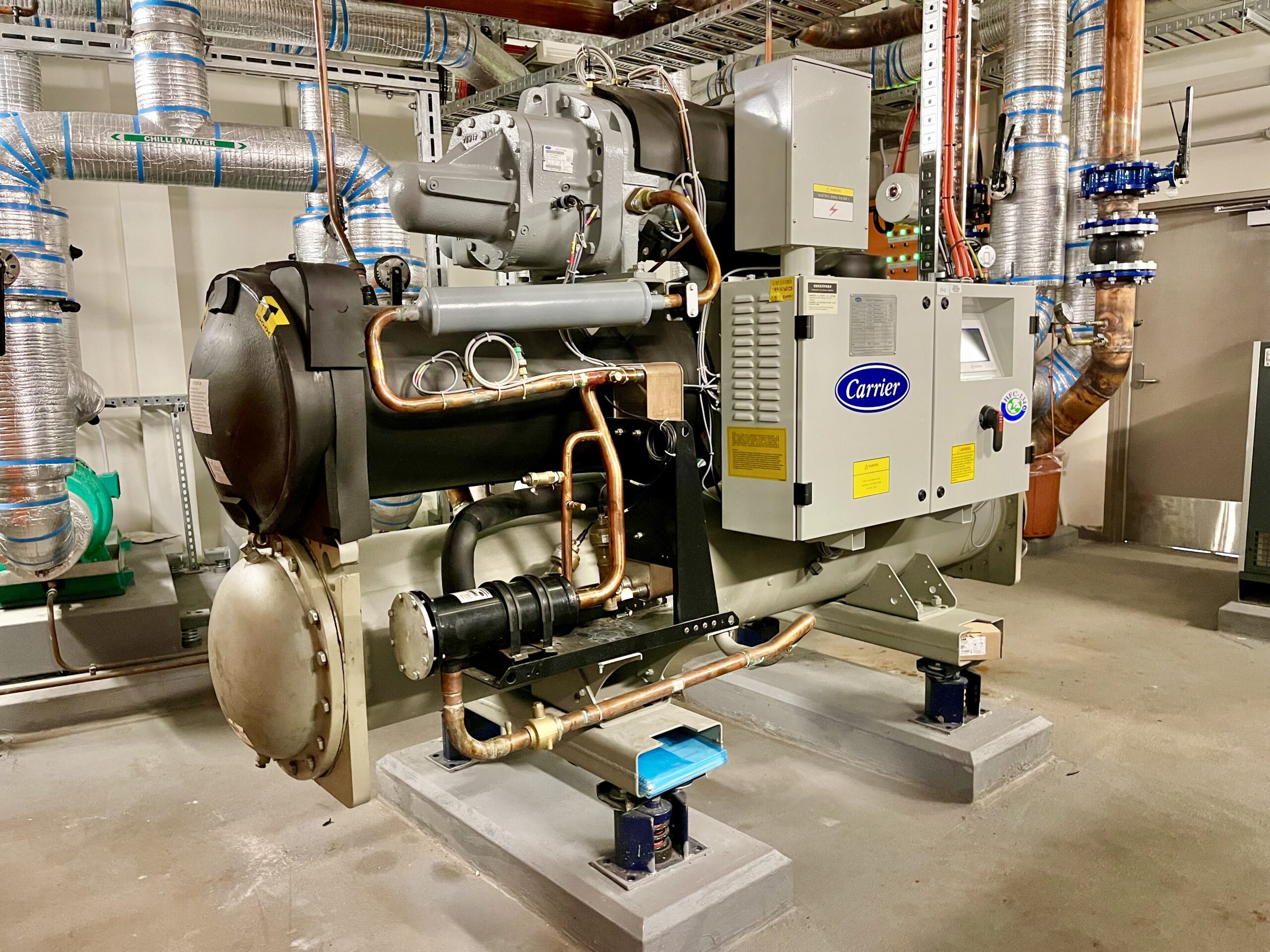
A Modern American Tale
Here’s the part that makes this such a familiar story: I’m not special, and that’s the point. I did
everything “right.” I got into a stable field, learned it well, climbed a little, showed up every day.
And it still didn’t matter — because the thing I was trained to do is exactly the kind of work that
software and AI keep getting better at doing.
For years the advice was “learn computers, learn support, get into tech.” Now the same technology is
quietly eating the bottom and middle of that ladder. That’s a very modern American tale — skilled
people watching a decent career get chipped away, and having to decide fast whether to cling to it
or jump.
The Signs I’d Been Ignoring
Looking back, the signals were there long before the layoff. They usually are.
The work was automating in pieces
First the easy tickets got auto-resolved. Then the answers were suggested before I finished typing.
The job didn’t vanish overnight — it just got smaller, quarter after quarter.
“Stable” stopped being stable
I’d told myself the niche was safe. It wasn’t. When the layoff came, it wasn’t a surprise so much as
a bill finally arriving.
The identity hit
The hardest part wasn’t the money — it was the identity. “I’m a support person” had been my answer to
what do you do? for seven years. Relearning that answer is its own job.
How I Made the Jump
When I stopped panicking and started treating the transition like a project, it got manageable. If
you’re staring down a similar decision, this is the approach that worked for me — and it works for
almost any industry change.
- Name the real problem. Not “I lost my job,” but “the category of work I trained
for is being automated.” That reframes everything that follows. - Pick a durable, hands-on direction. I chose HVAC — real equipment, real
diagnostics, skills that are much harder to replace with software. - Reframe your experience — don’t erase it. I didn’t show up as “no experience.” I
showed up as a proven problem-solver: systematic troubleshooting, clear customer communication,
documentation, follow-through under pressure. - Go local and ask directly. Instead of only firing off anonymous online
applications, I built a list of HVAC and construction companies near my home and reached out
personally, in my own words. - Accept the ground floor. I was willing to start as a helper or entry-level tech.
Starting over in title is fine — you don’t start over in work ethic. - Control the cost. I didn’t spend thousands on schooling before I had a job. I
favored on-the-job learning and employer-supported paths over expensive training with no clear return. - Stay in it through the “no.” Rejections came fast and often. I kept going anyway —
volume with a personal touch beats a single polished application.
The takeaway: When your industry shifts, don’t just search harder in the old lane —
change lanes deliberately. Translate what you already know, aim it at something durable, and ask for
opportunities instead of waiting for them.
The Irony: I Fought the AI With AI
Now for the twist I still laugh about. The thing that cost me my job is AI quietly absorbing desk
work. So how did I run the most organized job search of my life? I used AI to do it.
I leaned on an AI assistant to keep a meticulous application tracker, read and log every confirmation
and rejection, hunt down company contacts, research local shops, tidy up my résumé, and keep a
personalized outreach pipeline moving. It felt like having a tireless back office. The same wave of
technology that shrank my old career turned out to be a power tool for building the next one.
That’s the honest, slightly absurd shape of work right now: automation takes a rung off the ladder,
and — if you’re willing to use it — hands you a better one to climb with. The trick is deciding that
you get to use it, too.
The Exact Workflow I Used (And How to Copy It)
The irony is easy to say and harder to show, so here’s the actual system I ran — step by step. Most of it
was powered by an AI assistant, and you can point the same playbook at any field.
1. Build a map of every nearby employer
I started with my home address and pulled every HVAC and construction company within 15 miles —
351 of them — then sorted the list nearest to furthest. Close employers mean an easier commute
and a better shot at a local hire. (That’s address geocoding plus local business data — no fancy software required.)
2. Put it all in one spreadsheet that works for you
Everything went into a simple sheet: company, distance, address, phone, website, applied?, date applied,
position, and status. One column auto-fills your follow-up date — pick a date, and it adds
14 days for you — so nothing ever slips through the cracks.
3. Let AI handle the busywork
Every confirmation and rejection I sent to my assistant got logged automatically; it also hunted down exact
job links, de-duplicated companies, filled in missing phone numbers and websites, and kept my two lists in
sync. That’s hours of desk work I never had to do while I was out meeting people.
4. Personalize your outreach — in batches
I wrote one short message — who I am, the trade I’m moving into, why I’m a safe bet, and a direct ask
(“do you have any entry-level or apprentice openings?”). Then AI tailored it per company, in batches of
ten, using the name, distance, and phone from my list.
- Keep it human and specific, not corporate.
- Ask directly for the role you want.
- Work the list nearest‑first.
5. Track everything and follow up on schedule
Every call, email, and application got marked in the sheet, and the auto follow-up column told me exactly
when to circle back. Persistence — not perfection — is what landed the job.
6. Set reminders so you never drop the ball
I scheduled follow-ups and interview reminders up front, so the process kept running even on the days I was
busy or discouraged.
The real takeaway: the tools matter less than the system — a targeted local list, a tracker
that follows up for you, a personal message, and AI to keep it all moving. Point it at any trade or industry
and run it.
Grab the free tracker
I’m giving away a blank version of the exact spreadsheet I used — drop-downs and the automatic follow-up column already built in. Drop your email and it’s yours (plus our occasional newsletter).
🎁 Get the free Job Search Tracker (sign-up required)
Want it done for you?
Don’t want to build the list yourself? I’ll put together a prefilled tracker with the 300 closest
businesses to your address — name, distance, phone and website, sorted nearest-first, ready to start.
Why a Trades Pivot Can Work for You
HVAC fit me because the skills transferred cleanly and the work is durable and hands-on. But the same
logic applies to plenty of other hands-on paths.
- Your “soft” skills are the hard part. Diagnosing a problem, explaining it to a
frustrated person, and following through are rarer than you think. - Hands-on work is more automation-resistant. Someone still has to show up, read
the system, and fix it. - Ground-floor entry is real. Most trades need reliable people more than they need
perfect résumés. - You can learn while you earn. Apprenticeship and on-the-job training beat
expensive schooling without a job attached.
Serving Hampton Roads
If you’re in Virginia Beach, Norfolk, Chesapeake, or anywhere around Hampton Roads and thinking about
a career change, the local trades are hungry for dependable people. The hardest step is the first one.
Frequently Asked Questions
Can you really switch into a trade with no experience?
Yes. I did it. You start at the ground floor — helper, apprentice, entry-level — and you learn on the
job. Employers care most about reliability, attitude, and a willingness to work and be trained.
How do you change careers without going back to school?
Look for entry-level and apprenticeship roles that train you while you work. Use low-cost or free
certifications to show intent, but don’t pay for expensive schooling before you have an employer
relationship.
Is it worth using AI to help with a job search?
It was for me. Use it for the busywork — tracking applications, drafting and personalizing outreach,
researching companies — so your time goes to the things that actually win offers: talking to people
and showing up prepared.
How long did the transition take?
Once I committed to HVAC and pointed everything at it, it moved fast — a couple of weeks of focused,
local, personal outreach to get hired. The searching before that, in the old lane, had gone nowhere.
Final Thoughts
Getting laid off felt like the end of a chapter I hadn’t chosen to close. It turned out to be the
start of a better one. If you’re in the same spot — watching a stable career get automated and
wondering what’s next — take heart. The script that worked for me is not complicated: name the
problem, pick something durable, translate your strengths, ask locally, start at the bottom, watch
the cost, and don’t quit at the first “no.”
And if an AI is part of what’s changing your industry, don’t be afraid to make it part of how you
fight back.
Follow Along With Stephens757
We share family life, local finds, DIY projects, 3D printing, deals, and the things we are working on
around Hampton Roads.